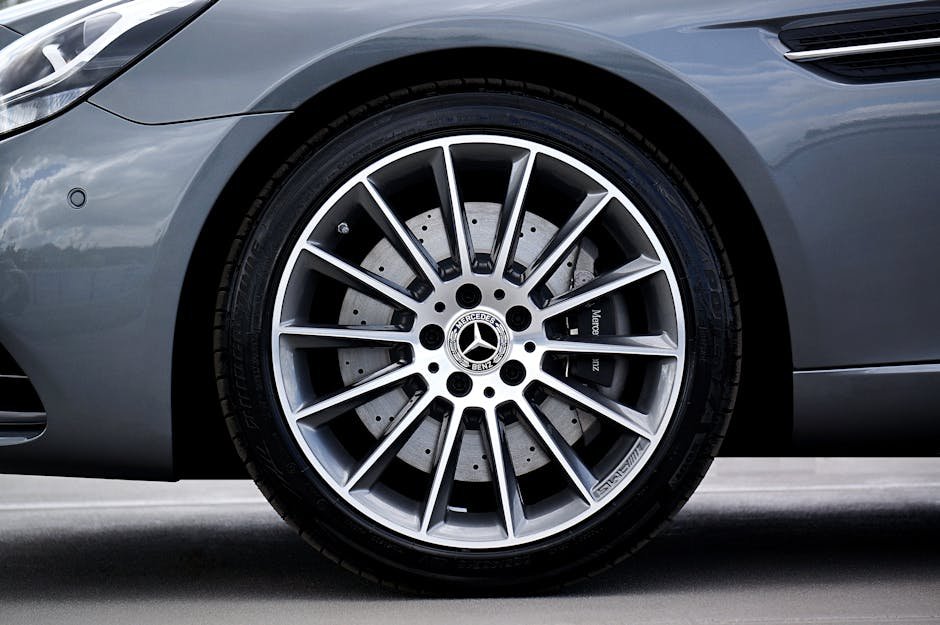

When you bring alloy wheel scrap to a reputable recycler, you tap into a market that values high‑grade aluminium, offers competitive alloy wheel scrap price, and reduces landfill waste across Australia.
Grades of Alloy Wheel Scrap
Not all rims are created equal. Recyclers classify alloy wheel scrap into distinct grades based on material purity, condition, and finish. Understanding these grades helps you price your car rims correctly and speeds up the sale.
- Grade A – Pristine Alloy Wheels: Unpainted, no bends, and free of contaminants. Ideal for remanufacturing into new mag wheels.
- Grade B – Lightly Used Rims: Minor paint chips or surface scratches, but structural integrity intact. Often sold to manufacturers for secondary alloy production.
- Grade C – Damaged or Coated Wheels: Bent, heavily painted, or with brake dust buildup. Requires additional processing but still fetches a solid price.
- Grade D – Mixed Metal Scraps: Contains non‑alloy components such as steel bolts or plastic caps. Typically blended with other metal streams.
Each grade commands a different rate. For example, Grade A may attract up to 30% higher alloy wheels for scrap rates than Grade C because it requires less energy to re‑melt.
How Wheel Recycling Works
The recycling chain for alloy wheel scrap is streamlined to maximize recovery and minimize waste:
- Collection: You drop off or arrange a pick‑up of your used rims. Many services, including the ScrapTrade Australia network, offer free collection for bulk loads.
- Sorting & Grading: Trained staff inspect each rim, assign a grade, and separate non‑alloy parts (e.g., plastic wheel caps, which fall under Plastic Scrap streams).
- Cleaning & De‑coating: High‑pressure washing removes brake dust, oil, and paint. This step is crucial for achieving a high‑purity melt.
- Shredding: Rims are fed into industrial shredders, reducing them to uniform flakes that melt efficiently.
- Melting & Casting: The aluminium flakes are melted in an electric furnace, filtered, and cast into ingots or billets ready for manufacturers.
- Distribution: The recycled aluminium re‑enters the supply chain, feeding the production of new car rims, aerospace parts, and even beverage cans.
This closed‑loop process cuts energy consumption by up to 95% compared with primary aluminium extraction, translating directly into lower carbon emissions.
Environmental and Financial Benefits
Choosing to recycle your alloy wheel scrap delivers a double win:
- Carbon Reduction: Recycling one tonne of aluminium saves up to 14 tonnes of CO₂ equivalent.
- Resource Conservation: It conserves bauxite ore, reduces mining impact, and lessens water usage.
- Economic Gain: Current market rates for clean alloy rim scrap in Australia range from $1,200 to $1,800 per tonne, depending on grade and regional demand.
- Job Creation: The recycling sector supports thousands of jobs in collection, processing, and logistics.
For businesses with a steady flow of end‑of‑life rims, partnering with a trusted buyer can turn waste into a predictable revenue stream. The who buys alloy wheels – Find Trusted Buyers & Top Prices guide lists verified purchasers who pay market‑aligned rates.
Sell Your Alloy Wheel Scrap Today – Simple Steps
Ready to convert old car rims into cash? Follow this action plan and secure the best return:
- Gather all usable rims, including alloy wheels, mag wheels, and any steel caps.
- Visit the Scrap Trade platform to get an instant quote based on your location and wheel grade.
- Read What Is Scrap Trade to understand the verification process and payment terms.
- Schedule a free collection or drop‑off at the nearest approved facility.
- Receive payment within 24‑48 hours after the wheels are weighed and graded.
By acting now, you lock in today’s market price and contribute to a circular economy. Remember, the longer you wait, the more you risk price fluctuations and missed environmental impact.
For a deeper dive into the mechanics of metal recycling, explore What Scrap Trade Actually Is. It explains how every kilogram of recycled alloy wheel scrap supports sustainable manufacturing across the continent.
Take the first step today—turn your unwanted rims into profit and protect the planet.
Frequently Asked Questions
What determines the price of alloy wheel scrap?
Price is driven by grade, purity, market demand, and regional logistics. Higher‑grade, unpainted rims fetch premium rates, while heavily damaged wheels are priced lower.
Can I recycle alloy wheels that are painted or bent?
Yes. Painted or bent wheels fall into Grade B‑C categories and are still recyclable after cleaning and reshaping. They generate a lower price but still provide environmental value.
How quickly can I receive payment after delivering my scrap?
Most reputable Australian recyclers, including those listed on Scrap Trade, issue payment within 24‑48 hours once the wheels are weighed, graded, and verified.
Is recycling alloy wheels better for the environment than disposing of them?
Absolutely. Recycling saves up to 95% of the energy needed for primary aluminium production and cuts CO₂ emissions by up to 14 tonnes per tonne of metal recovered.